Most homes have at least one awkward spot. It might be a narrow staircase, a sharp turn in the hallway, a low doorway, a lift that is smaller than expected, or a parking space that is never free when you need it.
For a professional removals crew, these details are not surprises to panic over. They are practical challenges to plan for. Understanding how experienced movers deal with awkward access can help you prepare well, protect your belongings and see why choosing a reputable team matters.
Why access matters before moving day
Awkward access affects almost every part of a house move. It influences how long loading may take, how many people are needed, what equipment should be brought, how furniture is protected and which items need special handling. A good removals team wants to know about these things before moving day, because careful planning is much better than hurried decision making at the door.
This is why a proper pre move conversation or survey is so useful. The team can ask about stairs, entrances, parking, internal routes, garden paths, shared hallways, lifts and any heavy or fragile items. They may also ask whether large furniture was assembled inside the room, because that often means it will need to be dismantled before it can leave safely.
If you are arranging domestic removals with Crutch Bros, it is worth being open about anything that feels awkward, even if it seems minor. A tight bend at the top of the stairs, a sloping drive, a long walk from the nearest parking spot or a door that only opens part way can all change the best moving plan.
How crews plan for stairs and tight turns
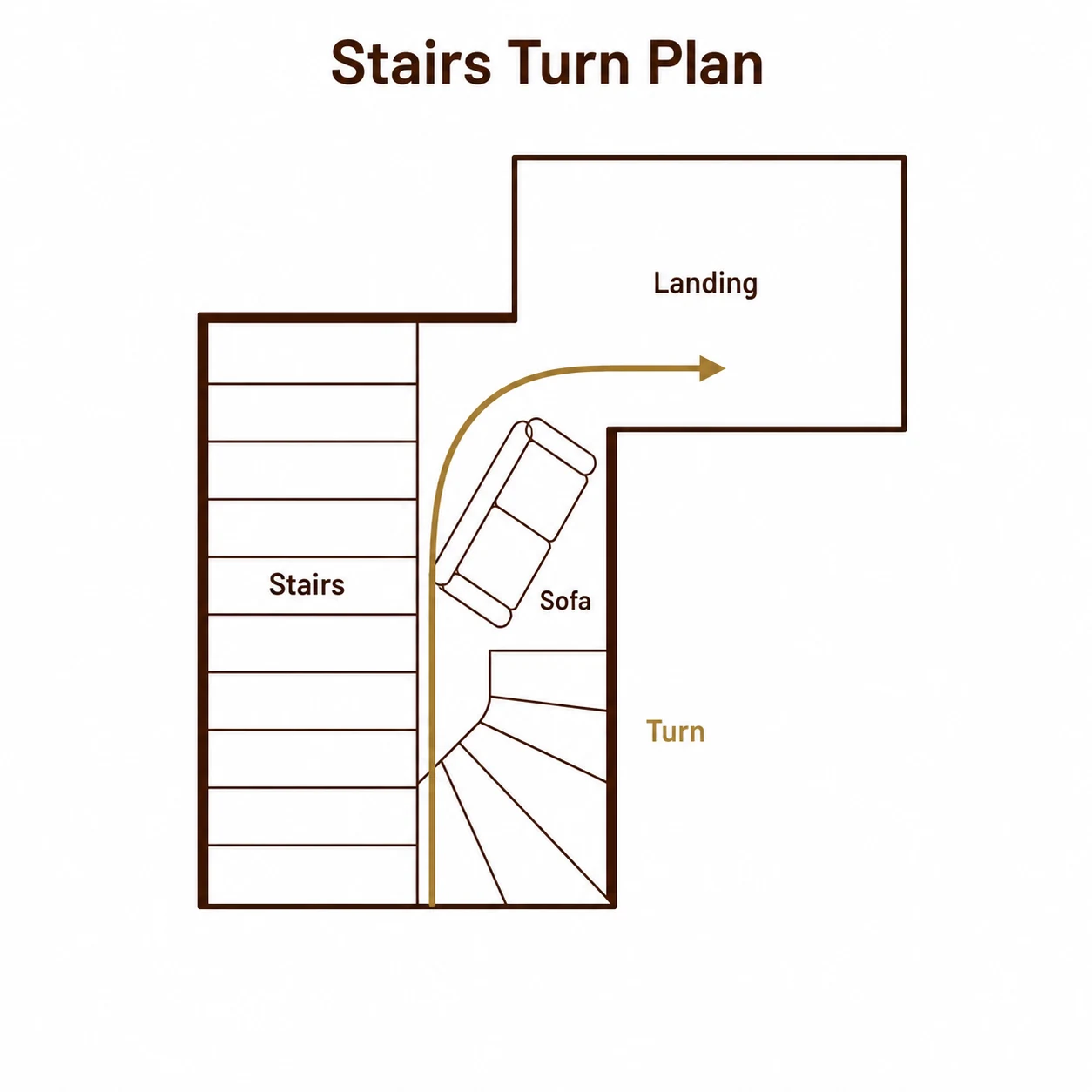
Stairs are one of the biggest access considerations in a home move. They limit the angle at which furniture can be carried, reduce turning space and add extra care when moving heavy items. Professional movers assess the route before lifting, rather than relying on strength alone.
They will usually look at the width of the stairs, the height of the ceiling, the position of handrails, the landing space and any tight turns. If an item is bulky, the crew may test the route with measurements first. This avoids unnecessary bumps and makes it clearer whether an item should be carried upright, tilted, rotated gradually or dismantled.
Protection is also part of the plan. Movers may use covers, blankets and floor protection where appropriate, especially in areas that are likely to see repeated foot traffic. The aim is not just to get a wardrobe or sofa downstairs, but to do it in a controlled way that protects the item, the walls and the people carrying it.
Customers can help by clearing stairways before the crew arrives. Shoes, lamps, small tables, loose rugs and coats on banisters can all make a narrow route feel even tighter. If there are children or pets at home, keeping them away from the main carrying route also helps the move flow calmly.
Dealing with narrow doors and large furniture
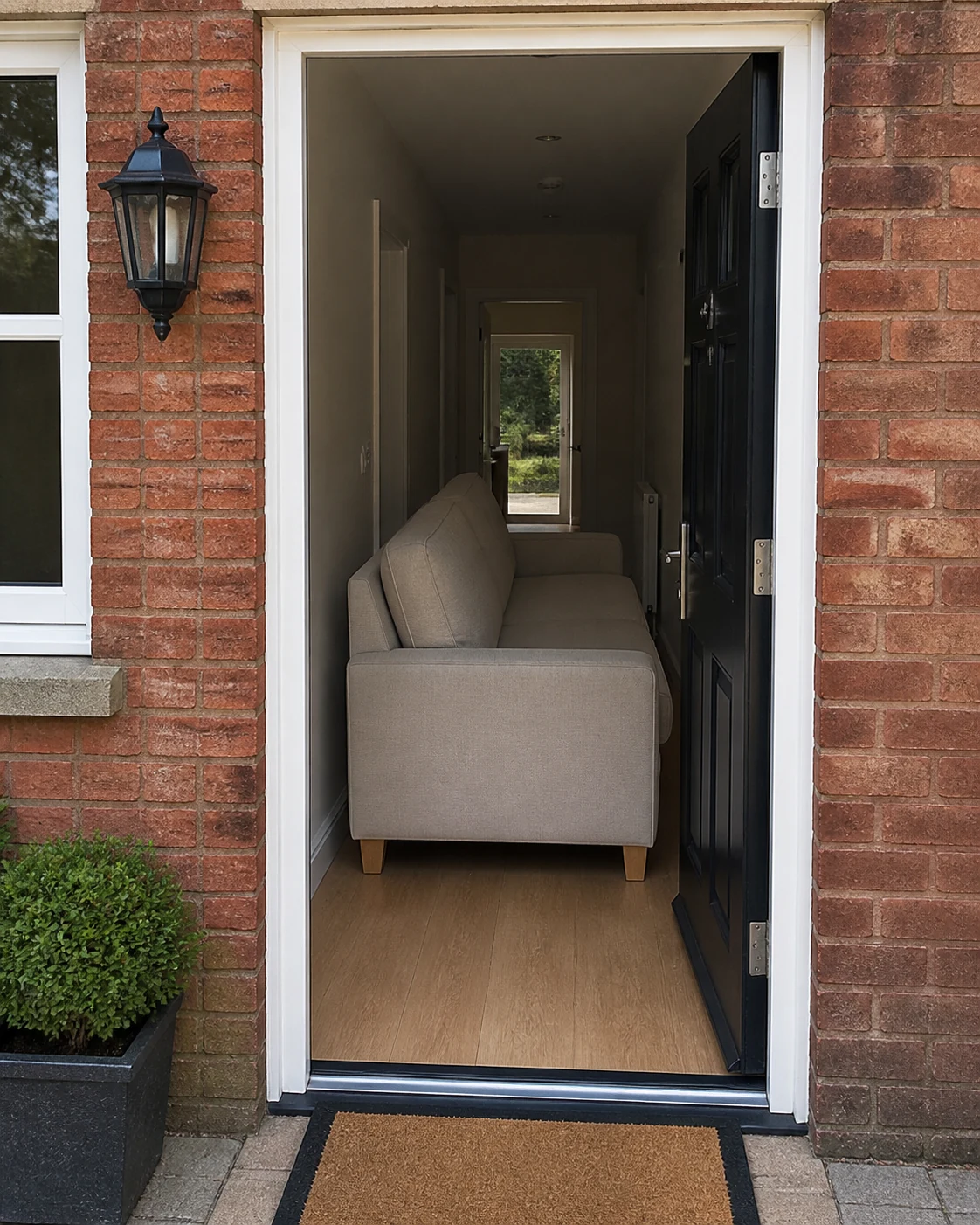
Doorways can be deceptive. A sofa may look as though it will fit until the angle, door frame, hallway width and ceiling height are considered together. Experienced movers think in three dimensions. They are looking not only at the width of the door, but also the space needed to turn the item before and after it passes through.
Where furniture is too large to move in one piece, dismantling may be the neatest solution. Bed frames, tables, wardrobes, shelving units and some modular sofas often move more safely once separated into manageable parts. Screws, fixings and small parts should be kept together and labelled so reassembly is straightforward at the new home.
Good packing also matters. Fragile edges, glass panels, mirrors and polished surfaces need suitable protection before they are carried through confined spaces. A professional crew will consider where pressure points are likely to be and how best to support the item while it is being moved.
If you know an item was difficult to get into the property, mention it during the survey. The same applies if a window or door was removed when it first arrived. You do not need to have the solution yourself. You just need to give the removals team the information they need to prepare the safest approach.
Parking limits and loading points
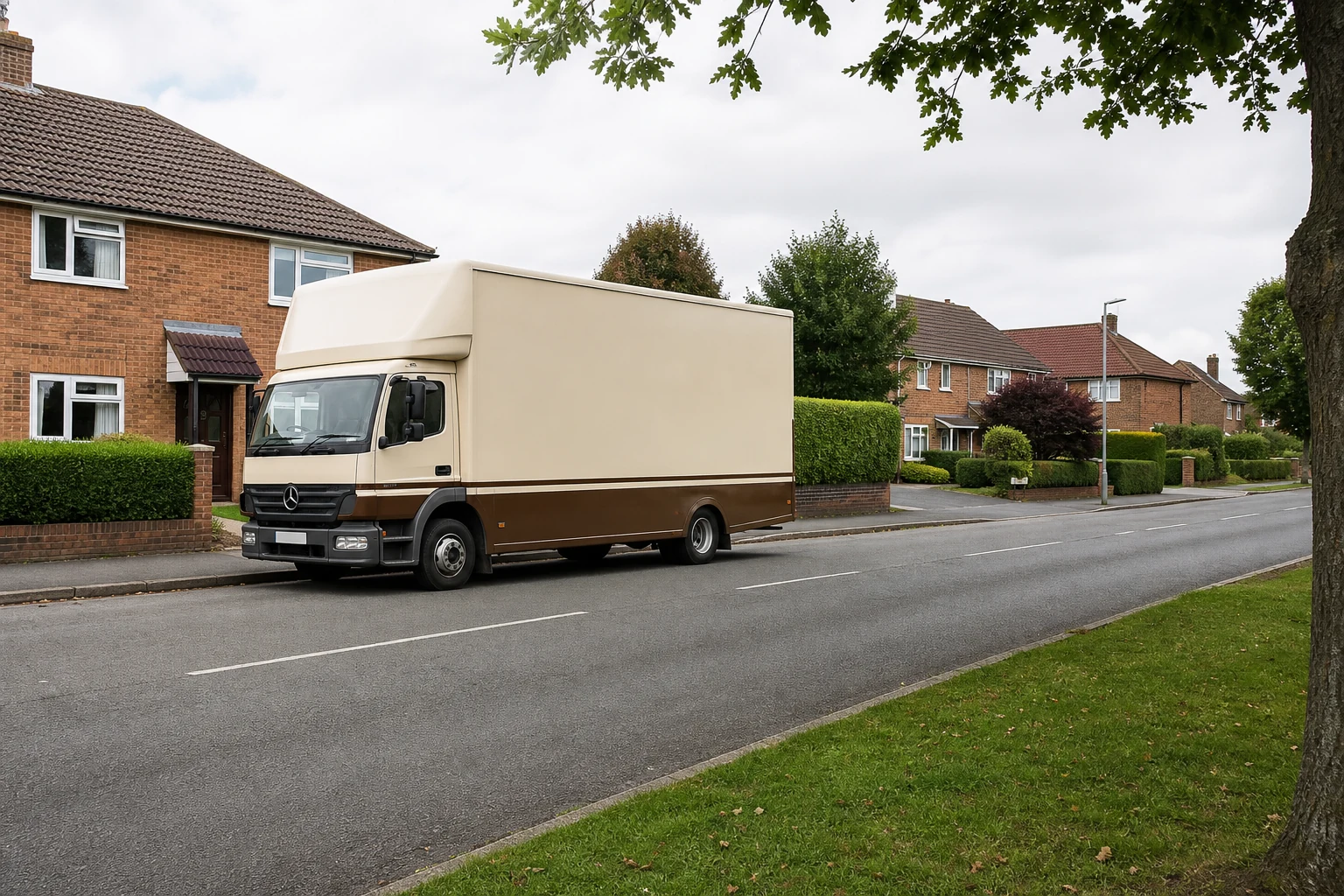
Access is not only about the inside of the home. Parking can have a major effect on how smoothly a move runs. If the removals vehicle cannot stop close to the property, the crew may need to carry items further, use different equipment or adjust the loading order.
A reputable removal company will ask about parking restrictions, shared drives, narrow roads, permit areas, gates, height limits and loading bays where relevant. They may also want to know whether there is a better entrance for larger items, such as a side gate, back door or garage access.
It is helpful to think about the route from the property to the vehicle. Are there steps outside? Is the path uneven? Does the door open straight onto a busy pavement? Are there low branches, tight corners or shared access points? These details help the crew decide how to protect items and keep the loading area organised.
Customers can support the process by checking local parking rules, speaking to neighbours where appropriate and making sure access points are unlocked. If permits or permissions are needed, sorting them early can prevent avoidable delays on the day.
What to tell your movers in advance
The more accurate the information, the better the plan. You do not need technical language or perfect measurements for everything, but you should flag anything that could affect access. If you can provide photos or video during the quote process, these can be particularly useful for showing tight spaces and unusual routes.
Useful details include:
- Staircases with tight turns, low ceilings or narrow landings.
- Large furniture that may need dismantling.
- Items that are especially heavy, fragile or valuable.
- Restricted parking, permit rules or long carrying distances.
- Lifts, shared entrances, gates, steps, slopes or uneven paths.
- Rooms where furniture was assembled in place.
A home removals survey is designed to capture this kind of information, so your quote and moving plan are based on real conditions. Crutch Bros has a helpful guide on preparing for a home removals survey, which explains what to have ready before the assessment.
Packing is another point to discuss. If awkward access means boxes need to be stacked carefully, carried through narrow spaces or loaded in a particular order, professional packing can make a noticeable difference. For delicate items, awkward shapes or rooms with lots of smaller belongings, a removal packing service can help make the move more organised from the start.
Why a reputable removals team makes the difference
Awkward access is where experience shows. A less prepared move can become stressful when a bulky item reaches a tight corner and nobody has checked the route. A professional crew brings planning, teamwork, proper lifting technique and a calm process.
That does not mean every item will always move exactly as first imagined. Sometimes the best answer is to dismantle, change the route, remove a door with permission, alter the loading order or take extra time around a fragile surface. What matters is that the crew recognises the issue early and chooses a sensible method.
Reputable movers also know when to ask the right questions. They will not treat access as an afterthought. They will want to understand the property, the belongings, the timing and the practical limits around loading. This is one reason many people choose a professional team rather than trying to manage a whole home move with borrowed help.
If you are still weighing up your options, the Crutch Bros guide on why you should hire a removals company gives a broader view of the support a trained team can provide.
- Awkward access should be discussed before moving day, not discovered during loading.
- Stairs, doorways, parking and outside routes all affect the moving plan.
- Large furniture may need measuring, careful angling or dismantling before it can be moved safely.
- Photos, videos and accurate details help a removals team prepare the right equipment and crew.
- A reputable domestic removals team brings planning, calm handling and practical experience.
Frequently asked questions
What counts as awkward access during a house move?
Awkward access can include narrow stairs, tight turns, small lifts, low ceilings, restricted parking, long carrying distances, uneven paths, shared entrances or large furniture that is difficult to manoeuvre.
Should I measure furniture before booking movers?
It helps if you can, especially for large sofas, wardrobes, tables and beds. You should also mention any item that was difficult to bring into the property or was assembled inside the room.
Can movers dismantle furniture if it will not fit through a doorway?
Many professional movers can dismantle suitable furniture where agreed in advance. It is best to discuss this during the quote or survey so the team can allow for the right tools and time.
What can I do before moving day to improve access?
Clear hallways and stairs, remove loose items from the main route, check parking rules, unlock gates and tell your movers about anything unusual before they arrive.
Planning a home move?
Speak to Crutch Bros about your move and share any access concerns early. The team can help plan a calm, practical route from your old home to your new one.