Storage can take a lot of pressure out of a move, especially when dates do not line up neatly or you want time to settle before unpacking everything.
The key is knowing what belongs in removal company storage, what should stay with you, and what needs a different solution before moving day arrives.
What removal company storage is designed for
Removal company storage is mainly for household goods that can be packed, protected, loaded and kept securely until you are ready for delivery. It is often used when a sale completes before a purchase, when renovation work is still under way, when downsizing decisions are not finished, or when a staged move simply makes life easier.
The biggest advantage is that storage can sit neatly inside the wider moving process. Rather than hiring transport, loading a unit yourself and then repeating the work later, the removal team can collect suitable items, pack or wrap them where needed, place them into storage, then deliver them when the time is right.
If you are still weighing up different options, Crutch Bros has a useful guide to self storage and removal company storage, which explains how access, handling and responsibility can differ.
Household items that usually store well

Most clean, dry household furniture and boxed possessions are suitable for removal company storage. Sofas, armchairs, dining tables, wardrobes, beds, desks, bookcases and chests of drawers can usually be stored safely once they have been emptied and protected correctly.
Boxed household goods are also common storage items. This can include books, kitchenware, bedding, lamps, ornaments, tools, pictures, mirrors, toys and seasonal items. Fragile belongings need proper wrapping and clear labelling, while heavy items should go into strong boxes that can be lifted safely.
Appliances may also be accepted when they are prepared properly. Fridges, freezers, washing machines and dishwashers should be clean, drained and completely dry before they go into storage. Doors should not be sealed shut if there is any risk of trapped moisture, as damp can cause odours or mould.
Garden furniture, bicycles and some outdoor equipment may be suitable too, provided everything is clean and dry. Soil, water and plant matter should be removed before collection. Anything that brings moisture into storage can affect the condition of nearby items.
Clothing and soft furnishings can store well if they are packed with care. Use sturdy cartons, wardrobe cartons where appropriate, and breathable protection for fabrics that need it. Avoid packing clothes straight from washing or ironing if there is any remaining moisture.
Items that should not go into storage
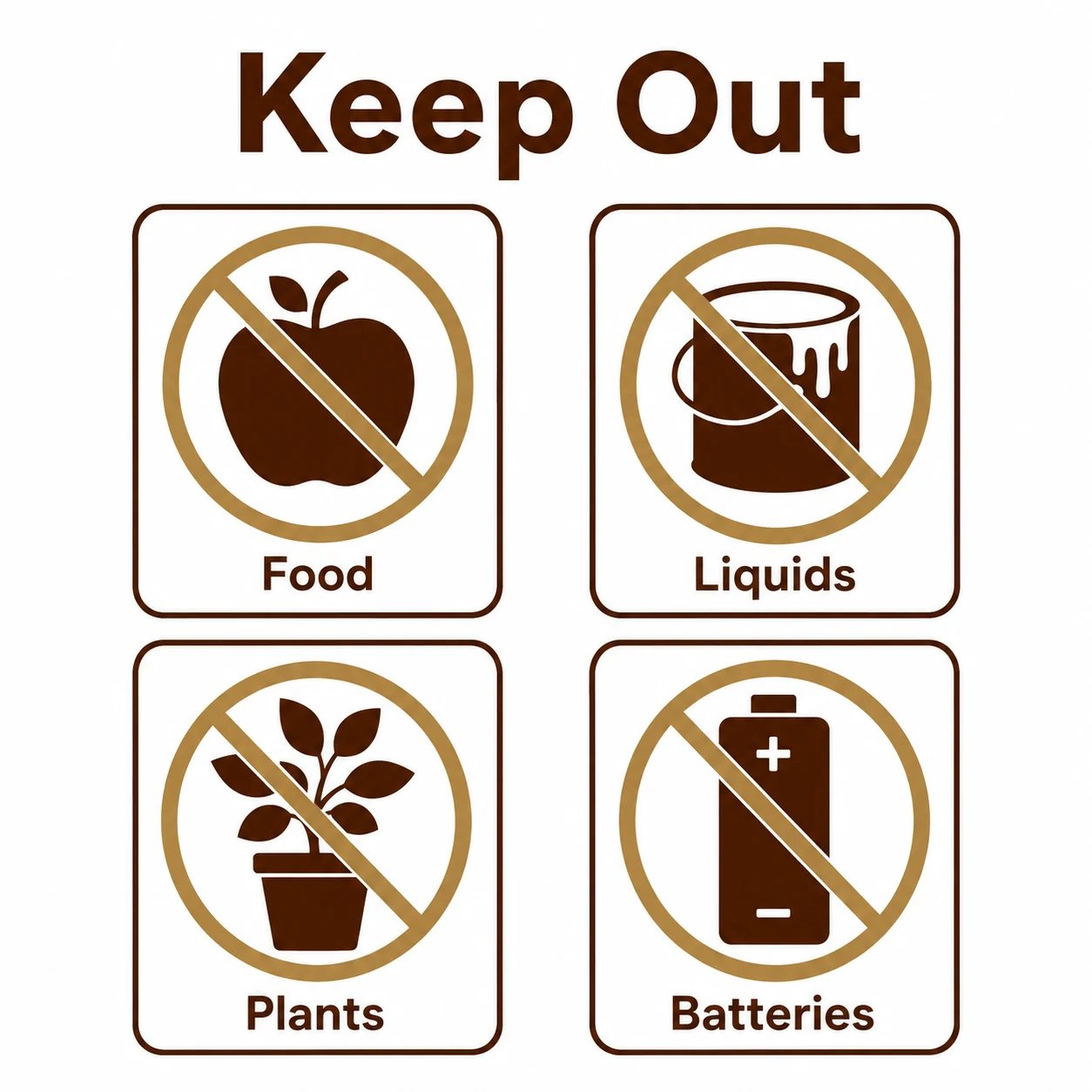
Some items are unsuitable because they are unsafe, perishable, legally restricted, difficult to insure, or likely to damage other goods. A reputable removal company will ask about these before collection, but it is better to separate them early so there are no surprises on moving day.
As a general rule, do not place these items into removal company storage:
- Food, including opened packets, fresh produce and anything likely to attract pests.
- Plants, flowers and living items that need light, air or watering.
- Flammable liquids, fuels, gas bottles, aerosols and hazardous chemicals.
- Paints, solvents, oils, cleaning chemicals and other substances that could leak or react.
- Fireworks, ammunition, weapons or controlled goods.
- Cash, jewellery, passports, personal documents and irreplaceable sentimental items.
- Medicines, medical equipment needed day to day, and anything temperature sensitive.
- Pets, animal bedding, litter trays and anything unhygienic.
- Wet items, damp textiles, unclean appliances or anything with mould present.
There may be other exclusions depending on the storage provider and the nature of the item. If in doubt, ask before packing it. It is much easier to make a plan in advance than to remove restricted items from a loaded vehicle.
Things to keep with you instead
Some possessions are not dangerous, but they are still better kept with you. This includes items you may need at short notice, paperwork that proves identity or ownership, and anything that would be very difficult to replace.
Keep a personal essentials box or bag separate from storage. This might include passports, driving licences, bank cards, keys, medication, phone chargers, laptop chargers, school documents, insurance documents, house sale paperwork, spare glasses, basic toiletries and a few changes of clothes.
It is also wise to keep jewellery, family records, hard drives, photo albums and small sentimental items with you. Storage can be managed carefully, but some belongings matter for reasons that go beyond their replacement value.
If your move includes packing support, explain which items are not to be packed for storage. A clear shelf, cupboard or room marked as personal essentials can prevent confusion. Crutch Bros also explains how a removal packing service can help when you want a more organised move without packing every box yourself.
How to prepare items before they go into storage

Good preparation protects your belongings and makes the eventual delivery much smoother. Start by deciding what really needs to go into storage, what can go straight to the new property, and what you no longer want to keep.
Decluttering before storage is worthwhile because it avoids moving and storing things you may later discard. Large unwanted items can take up space quickly, so deal with them early where possible. If you are unsure what to do with bulky pieces, this guide to unwanted furniture before a move sets out practical routes to consider.
Before collection, empty furniture wherever possible. Remove loose shelves, secure drawers where advised, and keep small fixings together in labelled bags. Mirrors, artwork and fragile items should be identified clearly so they can be wrapped and handled correctly.
Label boxes by room and contents, not just by owner. A label such as spare room books is more useful than miscellaneous. If some boxes will be needed first when goods come out of storage, mark them clearly as priority.
Clean and dry everything. This is especially important for appliances, garden items, sports gear, shoes and textiles. Storage is best for stable household goods, not for items that are still damp, dirty or carrying odours.
How storage fits into a managed move
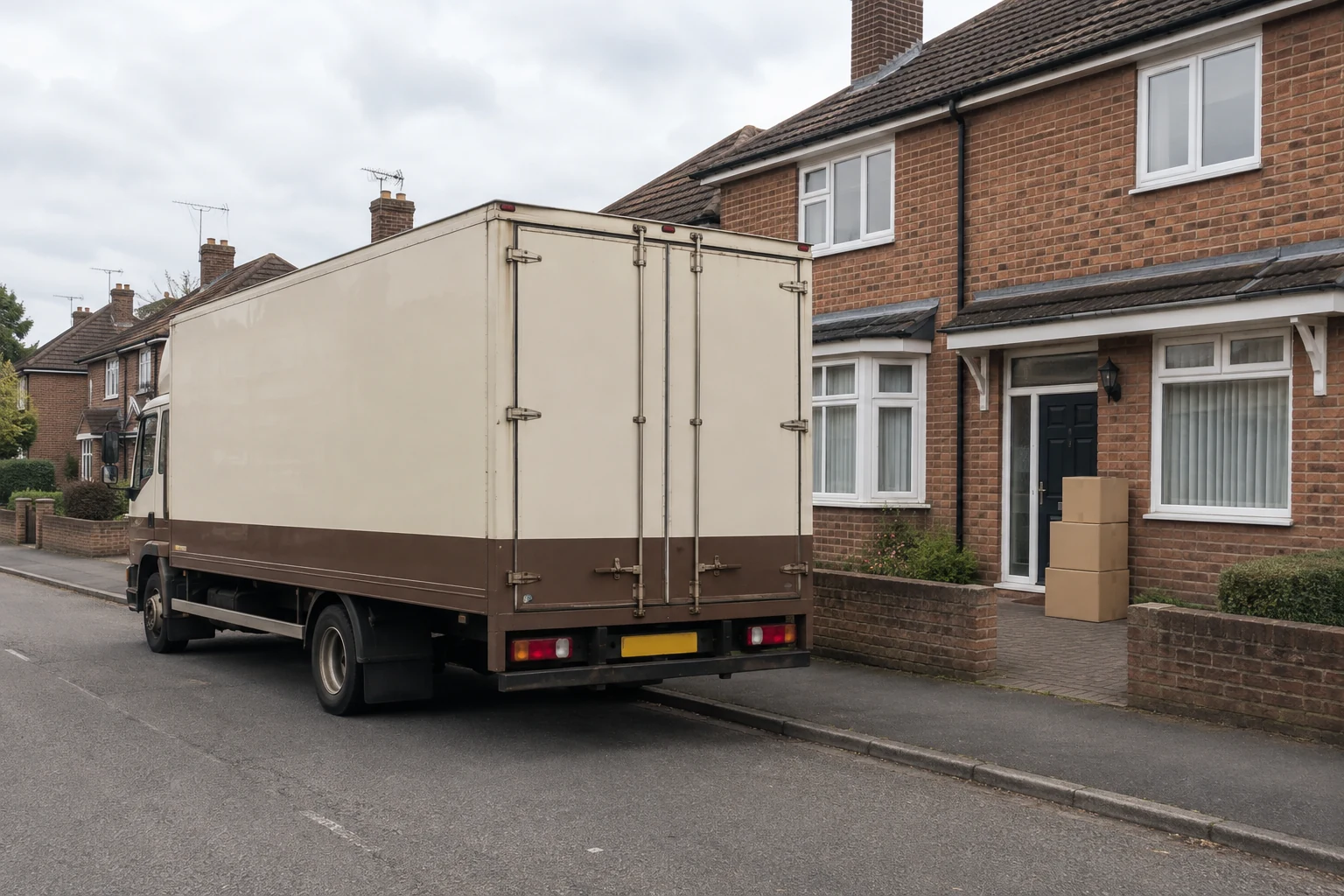
Storage works best when it is planned as part of the move rather than added at the last moment. Tell your removal company what may need storing, how much there is, and whether all items are going into storage or only part of the household.
A survey or detailed discussion helps the team estimate volume, identify special handling needs, and spot anything unsuitable before moving day. It also helps with sequencing. For example, some items may be collected for storage while essential furniture goes direct to your next home.
Access expectations matter too. Removal company storage is usually designed for secure holding and planned redelivery, not constant casual access. If you expect to visit weekly and remove individual items yourself, self storage may be a better fit. If you want the handling managed for you, removal company storage can be much more convenient.
Timing also helps. The earlier storage is discussed, the easier it is to align packing, collection and redelivery. For wider planning, Crutch Bros has a helpful guide on when to book your removal company.
- Removal company storage is best for clean, dry household furniture, boxed goods and prepared appliances.
- Food, plants, hazardous materials, valuables and personal documents should stay out of storage.
- Keep daily essentials, medicines, chargers, keys and important paperwork with you.
- Decluttering before storage helps avoid paying attention to items you no longer need.
- Discuss storage early so collection, packing and redelivery can be planned properly.
Frequently asked questions
Can I store appliances with a removal company?
Usually, yes, provided they are clean, empty, drained and fully dry. Fridges, freezers and washing machines should be prepared carefully so moisture and odours do not develop while stored.
Can I access my items while they are in storage?
Access depends on the storage arrangement. Removal company storage is often intended for planned holding and redelivery, so ask in advance if you think you may need specific items before everything is returned.
Should I pack boxes myself before storage?
You can, but the boxes need to be strong, sensibly filled and clearly labelled. Fragile items should be wrapped properly. If you want less pressure before moving day, professional packing may be worth considering.
What happens if I accidentally pack something unsuitable?
Tell the removal company as soon as you realise. It may need to be removed before collection or separated before storage. Being open early helps avoid delays and protects the rest of your belongings.
Need help planning storage before your move?
Crutch Bros can talk through what you need to store, what should stay with you, and how storage can fit smoothly into your moving plan.