Yes, professional removers can usually pack your whole home before moving day, provided the service is arranged in advance and the team has a clear idea of what needs to be moved.
For many households, this is one of the simplest ways to take pressure out of the move. Instead of spending evenings surrounded by boxes, tape and half finished rooms, you can leave the packing to people who do it every day.
What does a whole home packing service include?
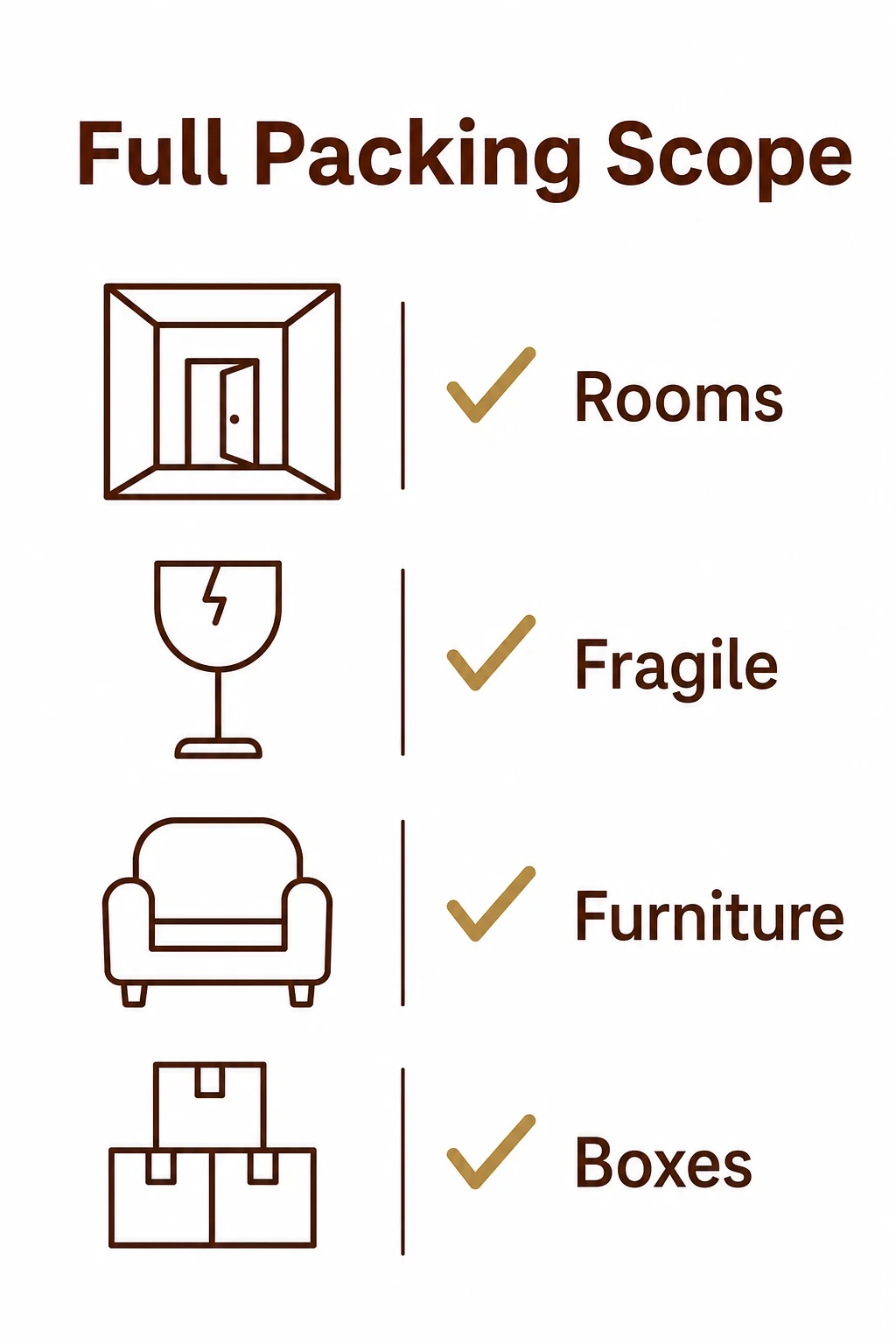
A whole home packing service is designed to prepare most, or all, of your belongings for transport. The exact scope should be agreed during your quote or survey, but it can often include everyday items, kitchenware, books, clothes, ornaments, lamps, pictures, toys, bedding and general household contents.
The removals team will usually bring suitable boxes, wrapping materials, tape and labels. They will work through the home in a planned order, packing items securely and grouping them in a way that makes sense for unloading at the new property.
A good packing service is not just about putting things into boxes. It is about reducing damage risk, keeping rooms organised, and making sure items can be handled safely on moving day. Fragile items need different care from linens, books need different boxes from bulky kitchen equipment, and awkward objects may need extra wrapping or specialist protection.
If you want the removals company to handle the whole process, it is worth asking what is included in their professional packing service for home moves. This helps you understand whether they can cover every room, selected rooms only, fragile items only, or a mixture that suits your move.
Can everything be packed before moving day?
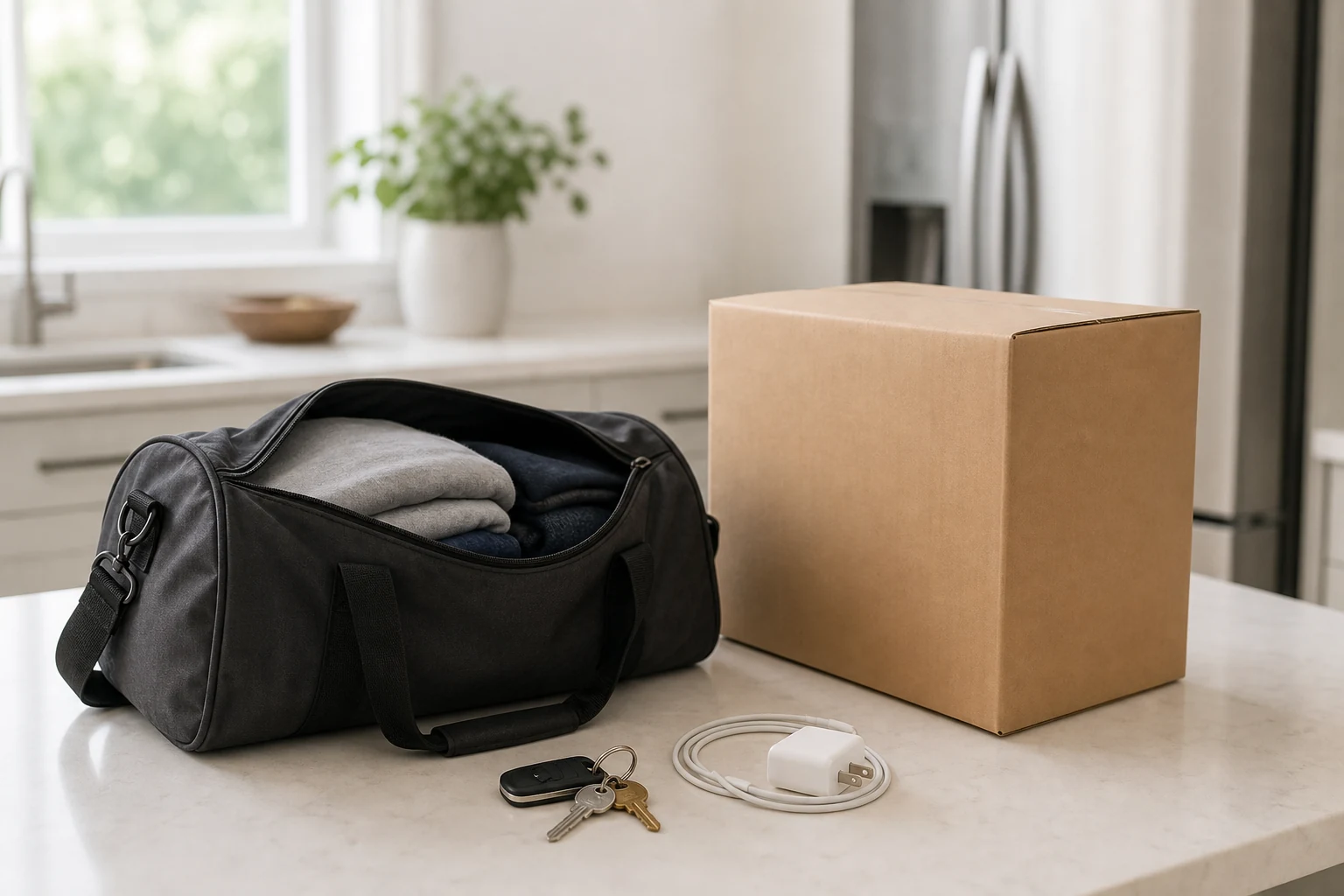
Most household belongings can be packed before moving day, but a few items are usually best kept separate until the last moment. This is less about the removers being unable to pack them and more about making sure you still have access to the essentials you need overnight and on the morning of the move.
Items often kept aside include medicines, chargers, toiletries, a change of clothes, basic cleaning supplies, important paperwork, keys, snacks, pet items and anything needed for children. You may also want to keep jewellery, passports, personal devices and sentimental items with you rather than putting them into the main load.
Food can need a little planning too. Cupboards can usually be packed, but chilled or frozen items are more awkward and may not be suitable for a standard removals load. Plants, liquids, aerosols, paints and certain chemicals may also need special handling or may be excluded, depending on the remover’s policy.
The best approach is to create a small personal essentials area before the packing team arrives. This tells the team what not to pack and prevents important items from being sealed into boxes by mistake. A clearly marked cupboard, bag or room can work well, as long as everyone knows it is separate from the main packing job.
How full packing reduces moving day pressure
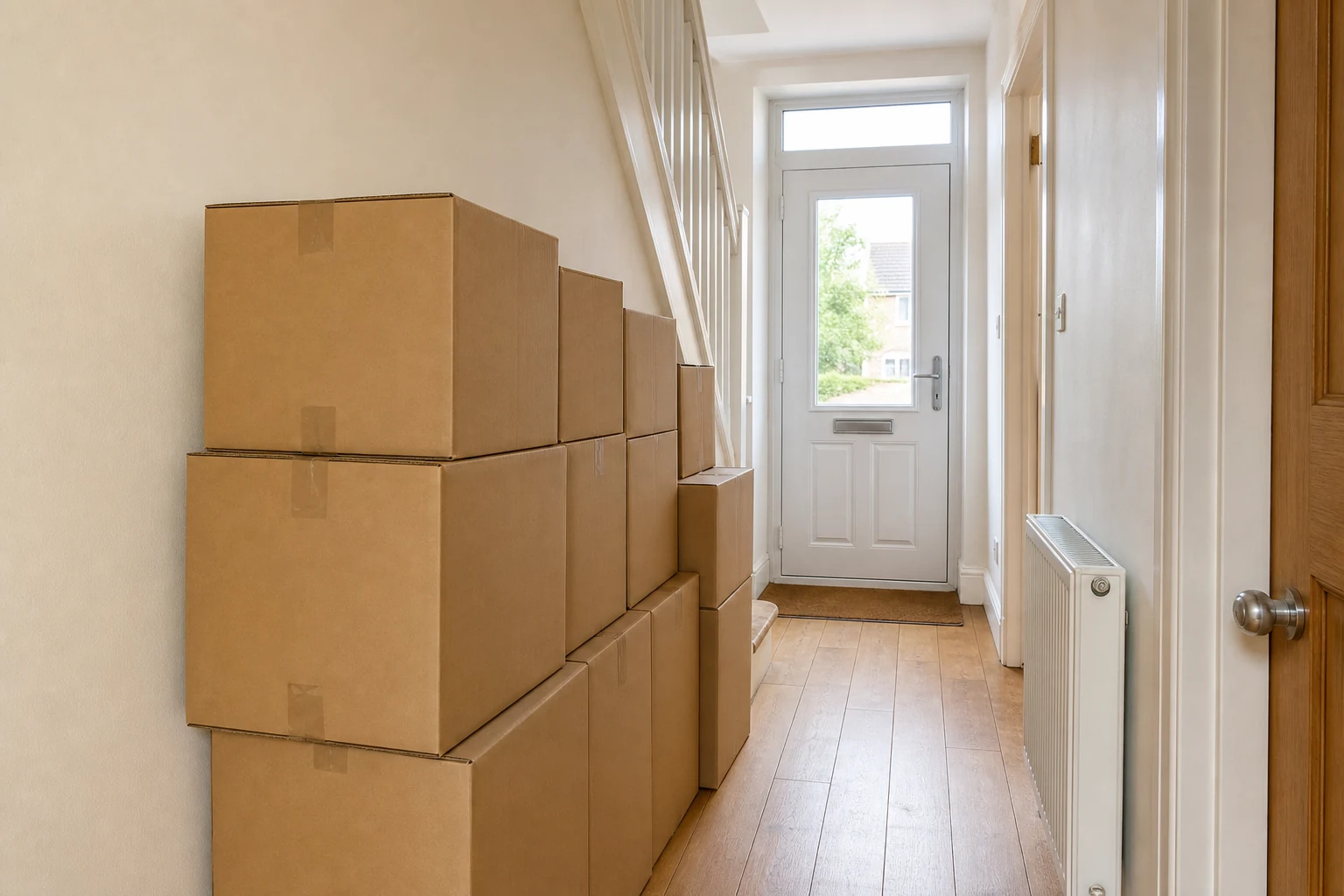
Moving day is much easier when the packing has already been handled properly. Without a full packing service, many people find themselves still filling boxes while the removals team is ready to load. That can create avoidable stress, rushed decisions and less control over where things end up.
When professionals pack in advance, the move can start with the home already organised for loading. Boxes are sealed, fragile items are protected, rooms are labelled and the team can focus on moving everything safely instead of waiting for last minute packing to finish.
It can also help with emotional pressure. Packing a whole home is tiring because every room involves decisions. You pick something up, remember where it came from, decide whether to keep it, wonder how to wrap it, then find another half filled box. Multiply that across cupboards, wardrobes, loft items and kitchen drawers, and it becomes a large job very quickly.
A professional team brings pace and method. They are used to handling mixed contents, awkward shapes and fragile belongings. That does not remove every decision from the process, but it does mean you can concentrate on admin, family arrangements, utility updates and the practical details that only you can manage.
What you should do before the packers arrive
Although a full packing service removes most of the workload, a little preparation helps the team do a better job. The aim is not to pack before they arrive. It is to make sure they know what is moving, what is staying, and what needs special attention.
- Decide what is not moving. Put aside anything being donated, sold, disposed of or left for the next occupant.
- Separate personal essentials. Keep documents, medicines, valuables and overnight items away from the main packing areas.
- Flag fragile or sentimental items. Tell the team about anything that needs extra care, even if it looks ordinary.
- Empty bins and remove unwanted food. This avoids waste being packed by mistake.
- Make access easy. Clear floors, hallways and surfaces where possible so the team can work efficiently.
If you are still deciding how much help you need, Crutch Bros also has a useful room by room packing guide that can help you compare doing some rooms yourself with asking for wider support.
When you might choose part packing instead
Whole home packing is not the only option. Some households prefer a part packing service, where the removals team handles the rooms or items that need the most care, while the customer packs simpler belongings themselves.
This can work well if you enjoy sorting your own wardrobes and books, but would rather not pack glassware, mirrors, pictures, lamps, ornaments or kitchen cupboards. It can also suit people who want to declutter gradually before the move, while still getting professional help for the trickier parts.
Fragile packing is a common middle ground. Delicate items often need careful wrapping, stronger cartons and a more experienced eye. If that is your main worry, a guide to packing fragile items safely can help you decide whether you feel confident doing it yourself or would prefer expert help.
There is no single right answer. The best choice depends on how much time you have, how many belongings you own, how confident you feel packing, and whether your move involves items that need specialist care.
Questions to ask before booking full packing
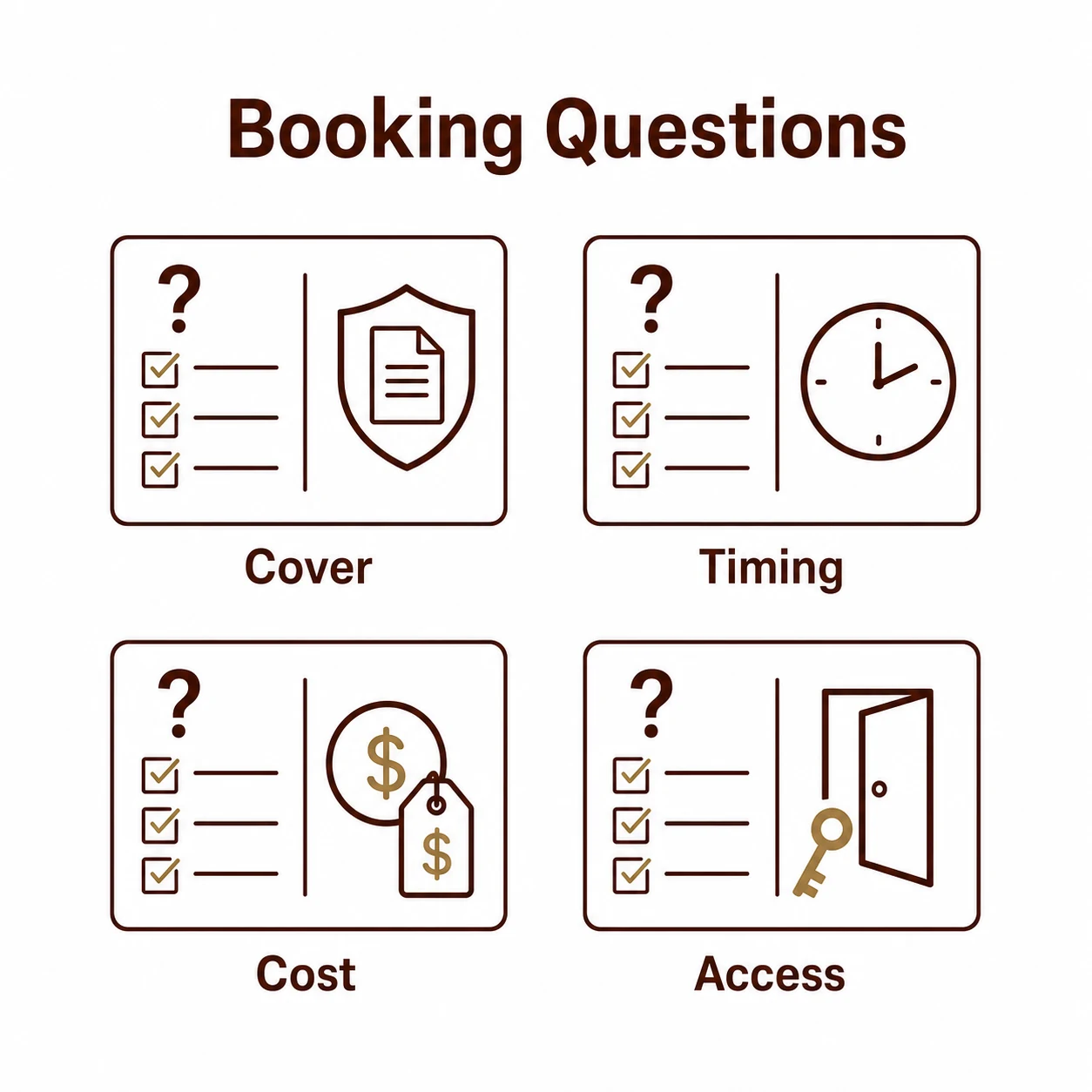
Before booking, ask clear questions so you know exactly what will happen. A reputable remover should be able to explain how they plan the packing, what materials they use, when the packing will take place, and what they need from you before the team arrives.
Useful questions include whether packing is completed the day before or over more than one visit, how boxes are labelled, whether wardrobes can be moved with hanging clothes, how fragile items are protected, and whether any items cannot be packed or transported.
It is also helpful to ask how the survey or quote is prepared. The more accurate the information, the easier it is to allocate the right team, time and materials. If you are preparing for an assessment, this guide on getting ready for a home removals survey explains what to check before your quote is finalised.
Full packing works best when expectations are clear. Once the team knows the size of the home, the contents, access details and any special requirements, they can plan the packing around your move rather than treating it as an afterthought.
- Professional removers can usually pack your whole home if the service is arranged in advance.
- Keep personal essentials, valuables, medicines and important paperwork separate from the main packing.
- Full packing can reduce moving day pressure by making sure boxes are ready, labelled and protected before loading begins.
- Part packing is useful if you only want help with fragile items, difficult rooms or selected belongings.
- A clear survey helps the removals team bring the right materials and plan the packing properly.
Frequently asked questions
Do removers pack the day before you move?
Often, yes. For many full packing jobs, the team will pack before moving day so the home is ready for loading. Larger homes or more complex moves may need a different schedule, which should be agreed during the booking process.
Will removers pack messy cupboards and drawers?
Removers can usually pack cupboards and drawers as they are, but it is better to remove rubbish, food waste, private paperwork and anything you do not want moved. A quick sort before packing helps avoid unwanted items travelling with you.
Should I pack valuables myself?
Many customers prefer to keep jewellery, passports, financial documents, personal devices and sentimental items with them. Even when using a full packing service, it is sensible to keep important personal items separate.
Can I choose only some rooms for professional packing?
Yes, many removals companies can offer part packing as well as full packing. You might ask for help with the kitchen, fragile items, pictures or awkward belongings while packing simpler items yourself.
Need help planning the packing?
If you would like support with packing before your move, Crutch Bros can talk through what needs packing, what to keep separate, and how to make moving day feel more organised.