Most house clearances involve a mixture of things. Furniture, paperwork, clothing, kitchen items, fragile pieces, electricals, garden tools and sentimental belongings can all sit side by side, often with very different levels of value and urgency.
A good clearance team brings order to that mix. The aim is not simply to empty rooms, but to work through the contents carefully, separate items sensibly and leave the property clear, tidy and ready for its next step.
Why mixed contents need a clear process
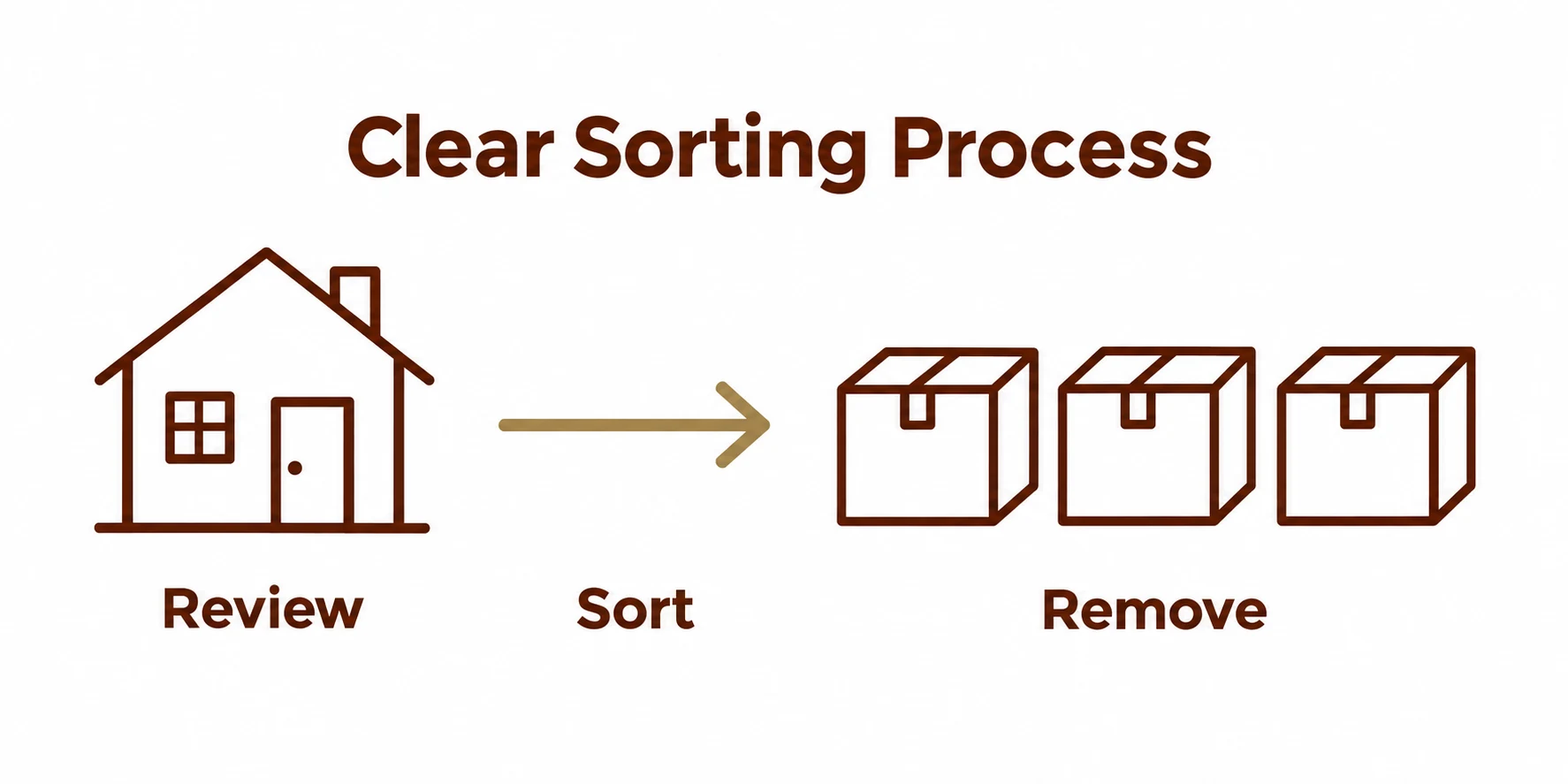
House clearance is rarely a case of removing one type of item. A single property can contain everyday furniture, personal documents, reusable household goods, old appliances, delicate ornaments, tools, books, loft contents and items that need careful handling because of their size, weight or condition.
Without a methodical approach, mixed contents can quickly become confusing. Important papers may be hidden inside drawers. Small valuables can be tucked behind larger items. Items intended for family members can be mistaken for clearance. That is why professional teams start by understanding what needs to happen before anything is moved.
The first stage is usually a walk through or discussion about priorities. The customer may already know what must stay, what must be removed and what needs a decision. In other cases, the team may help identify sensible categories so the clearance can progress in an organised way.
For many customers, the most reassuring part is having a calm structure. Rather than treating everything as one pile, a professional house clearance separates contents by type, condition and destination. Crutch Bros explains its approach to professional house clearance for anyone who wants to understand how the service works before booking.
How teams sort items before removal
Sorting is one of the most important parts of a mixed clearance. It helps prevent mistakes, protects items that matter and keeps the work moving in a practical order.
Common sorting categories include:
- Items the customer wants to keep
- Items going to relatives, friends or another property
- Reusable furniture and household goods
- Items for disposal
- Documents and personal papers for checking
- Fragile or delicate items that need separate handling
- Heavy or awkward items requiring planned lifting
A careful team will not assume that an item has no importance just because it looks ordinary. Photo albums, paperwork, small keepsakes and jewellery can be easy to miss if drawers, cupboards and boxes are cleared too quickly. That is why mixed contents need patience and attention, especially in bedrooms, studies, lofts and storage areas.
Where the customer is present, decisions can often be made as the work progresses. If the customer cannot be there for the whole clearance, clear instructions before the day are especially useful. Labelling cupboards, rooms or groups of items can help the team follow the agreed plan.
It is also normal for some items to need a second look. A good team will pause when something appears personal, sensitive or potentially important. That pause is part of doing the job properly.
Protecting fragile, valuable and sentimental belongings
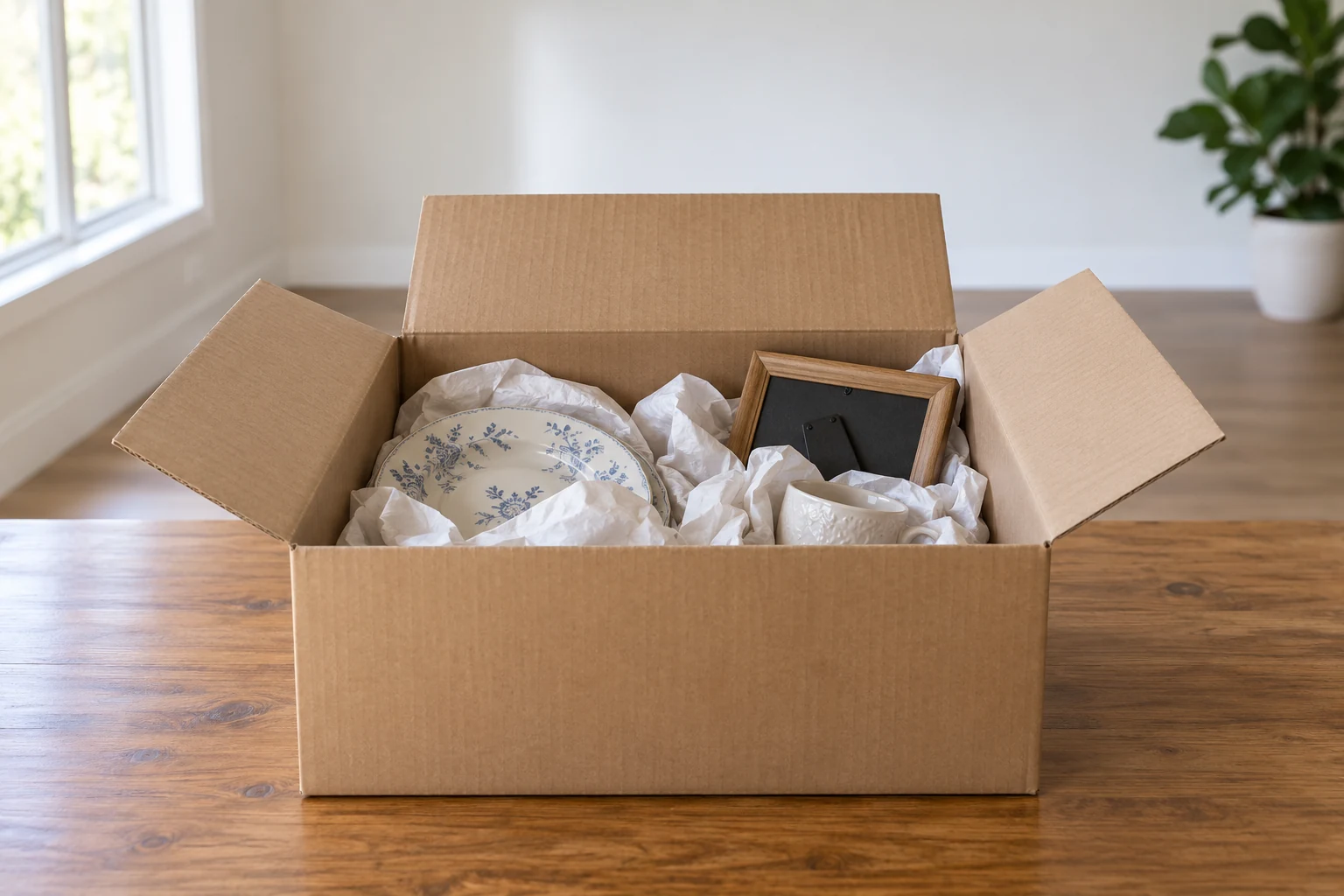
Mixed household contents often include items that cannot be treated like general clearance. Glassware, mirrors, framed pictures, ornaments, lamps, clocks, antiques, musical instruments and delicate furniture all need more care than standard boxed goods.
Professional teams assess these items before lifting or loading them. The right approach depends on the item. Some pieces need wrapping. Others need to be carried separately, secured upright or kept away from heavier goods. Fragile items should never be buried under general contents or loaded where they can shift during transport.
Sentimental belongings need just as much consideration. Their financial value may be modest, but their personal value can be very high. During a clearance after a bereavement, a move into care, a downsize or a property sale, customers may be making decisions at a difficult time. A respectful team understands that the work involves people as much as possessions.
If you are preparing for a clearance and already know certain items need special care, it is worth flagging them early. Crutch Bros has also shared guidance on handling fragile and irreplaceable belongings, which can help you think through what needs extra attention before the team arrives.
How teams handle bulky furniture and awkward spaces
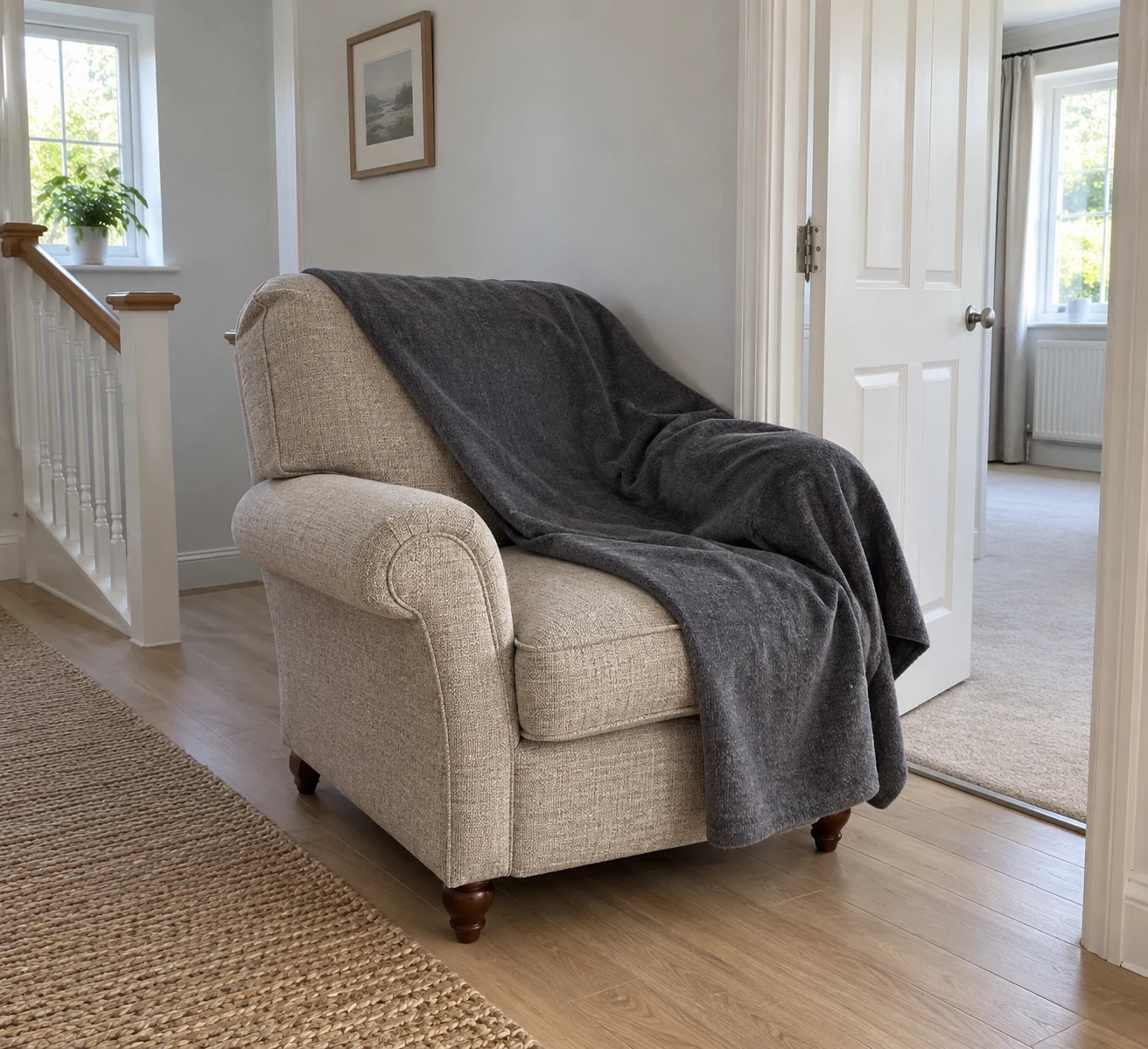
Bulky furniture is often the most visible part of a clearance, but it is not always the simplest. Wardrobes, beds, sofas, dining tables, sideboards, filing cabinets and appliances may need careful planning before they leave the property.
The team will consider access routes, stairways, door widths, flooring, walls and other items still in the property. In some cases, furniture can be moved as it is. In others, it may need to be dismantled first, especially where the item was assembled inside the room or where access is tight.
Good handling is about control. Rushing heavy items increases the risk of knocks, scrapes and disruption. A steady approach protects the property as well as the people doing the lifting.
Lofts, garages, sheds and outbuildings can add another layer of complexity. These spaces often contain a wider mix of contents, including tools, old boxes, seasonal items, garden equipment and forgotten stored goods. The same sorting principles still apply, but access, lighting and safe movement all matter.
Before a clearance, it can help to mention any areas that may be awkward to reach. This allows the team to plan the right number of people, the right timing and the right way to remove items smoothly.
What happens to reusable, recyclable and waste items
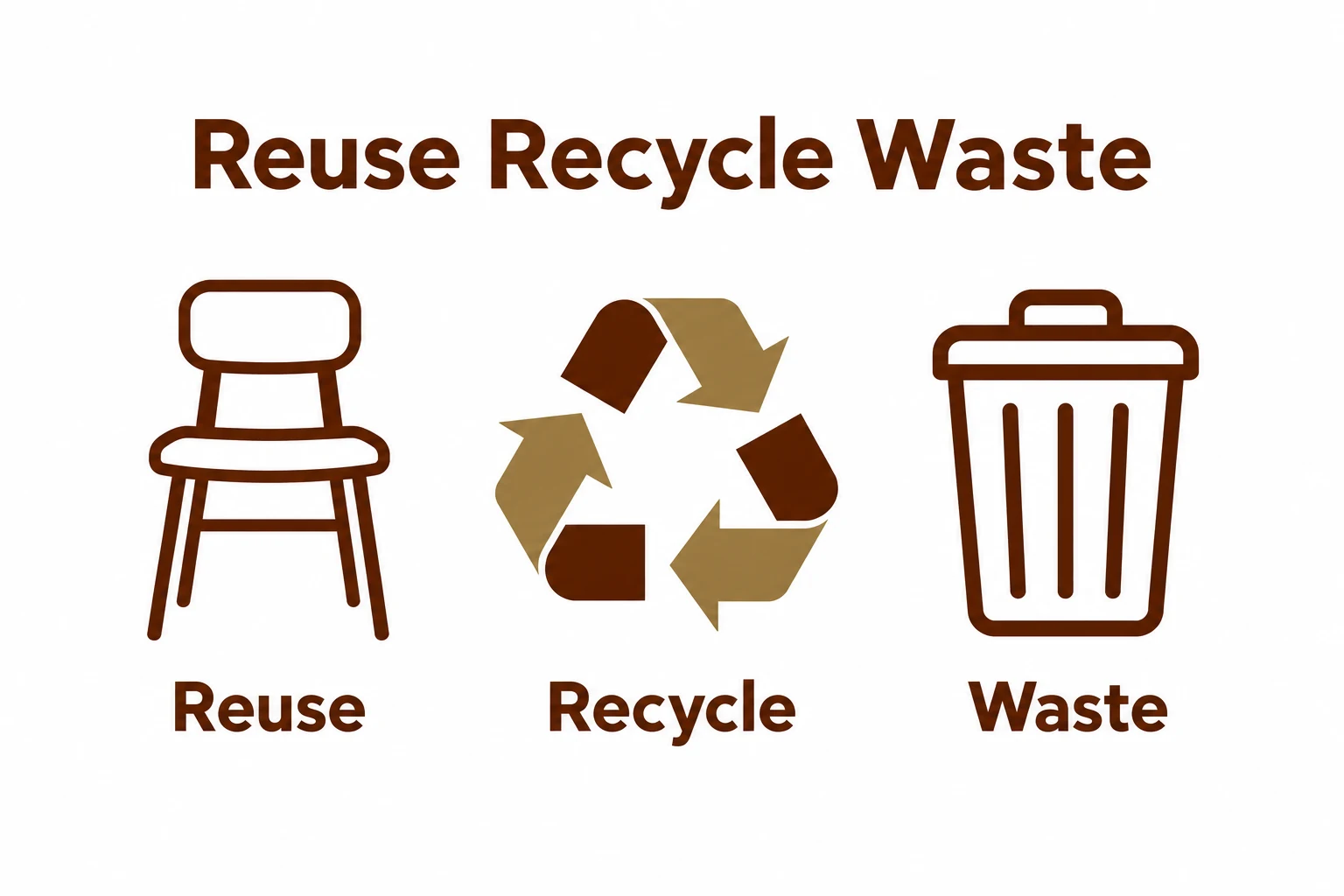
Once items have been sorted, the next step is deciding where they should go. Mixed clearances often include a combination of reusable goods, recyclable materials and items that have reached the end of their useful life.
Reusable items may include furniture, kitchenware, books, pictures, small appliances, tools and general household goods, depending on their condition. Some items may be suitable to pass on, while others may need disposal because they are damaged, incomplete or unsafe.
Recyclable materials can include metal, cardboard, paper, textiles, electricals and certain household items, depending on local facilities and the nature of the clearance. The exact route will vary, but the principle is simple: items should be handled responsibly rather than mixed together without thought.
Customers sometimes worry that everything will be treated as rubbish. A professional clearance should be more considered than that. The aim is to separate contents sensibly, reduce unnecessary waste where possible and deal with items in a lawful and practical way.
If your clearance is part of a wider move or a decision to reduce household contents, the guide to decluttering and storage options may help you decide what should be kept, stored or cleared.
How to prepare for a smoother clearance day
You do not need to have everything perfectly organised before a clearance team arrives. That is part of what the service is for. However, a little preparation can make the day easier and help the team follow your wishes accurately.
Useful preparation steps include:
- Set aside important documents, jewellery, keys and personal items before the clearance starts
- Label anything that must stay in the property
- Group items that are going elsewhere if you already know their destination
- Tell the team about fragile, sentimental or valuable items in advance
- Point out lofts, sheds, cupboards and storage areas that need clearing
- Make sure access is available where possible, including gates, doors and parking arrangements
If the clearance is linked to a house move, packing and sorting may overlap. Crutch Bros has a practical room by room packing guide that can help separate what is moving with you from what is being cleared.
The most useful thing is clarity. Even a short list of instructions can prevent uncertainty. If some decisions are still unresolved, say so. The team can then work around those areas until you are ready.
- Mixed household contents need sorting by type, condition, importance and destination.
- A professional team checks for personal papers, sentimental items and anything that may need a second look.
- Fragile, heavy and awkward items are handled differently from general clearance contents.
- Clear instructions, labels and early discussion help the clearance run smoothly.
- Responsible clearance is about organised handling, not simply removing everything at once.
Frequently asked questions
Do I need to sort everything before a house clearance?
No. You do not need to fully sort the property yourself. It does help to remove or label anything that must be kept, especially documents, keys, jewellery and sentimental items.
What if the property contains a mixture of furniture, paperwork and personal belongings?
That is very common. A professional team will work through the property in an organised way, separating contents so important items are not treated the same as general clearance.
Can fragile items be dealt with during a clearance?
Yes. Fragile items should be identified early so they can be handled, wrapped, carried or loaded with suitable care.
What should I tell the clearance team before the day?
Tell them what must stay, what must be removed, whether any items need special care and whether there are lofts, sheds, garages or awkward access areas to include.
Plan a careful house clearance
If you are dealing with mixed household contents and want a calm, organised service, Crutch Bros can talk through the property, the priorities and the best way to handle the clearance.